+400%
monthly sales growth versus the previous quarter average
Digital Marketing Case Study
Creative Direction at KOOKi
At KOOKi, I worked across creative direction, social content, e-commerce presentation, and creator outreach. Because the brand was a startup, the role required both concept leadership and hands-on execution across the full marketing funnel.
+400%
monthly sales growth versus the previous quarter average
200K+
RMB in monthly sales during the campaign period
25x
increase in brand search index on Xiaohongshu and Taobao
15
buyer-store partnership invitations received after launch
Context
The campaign was developed during the Christmas and New Year gifting season in China, at a time when consumers were becoming more cautious about spending. Expensive, conventional gifts were losing appeal, while low-to-medium-cost items with novelty, humor, and social shareability were gaining traction.
I recognized that shift early and proposed the "Gift Something Weird" campaign, positioning KOOKi's products as the kind of gift that feels surprising, playful, and intentionally offbeat. The goal was not just to sell a hat or accessory, but to package the product as a social moment worth reacting to, filming, and sharing.
Because KOOKi was operating with a very limited budget, I also designed the creator strategy around efficiency. Instead of paying for full dedicated posts, I focused on product integration inside creators' gift-haul and holiday reaction videos, which offered broader reach per dollar while keeping the product inside a highly natural gifting context.
01
using surprise, humor, and reaction value as the core conversion engine
In a softer economy, people often trade down in price but not in emotional expectation. They still want gifts to feel memorable. That creates an opening for products that deliver strong reaction value without requiring luxury-level spending.
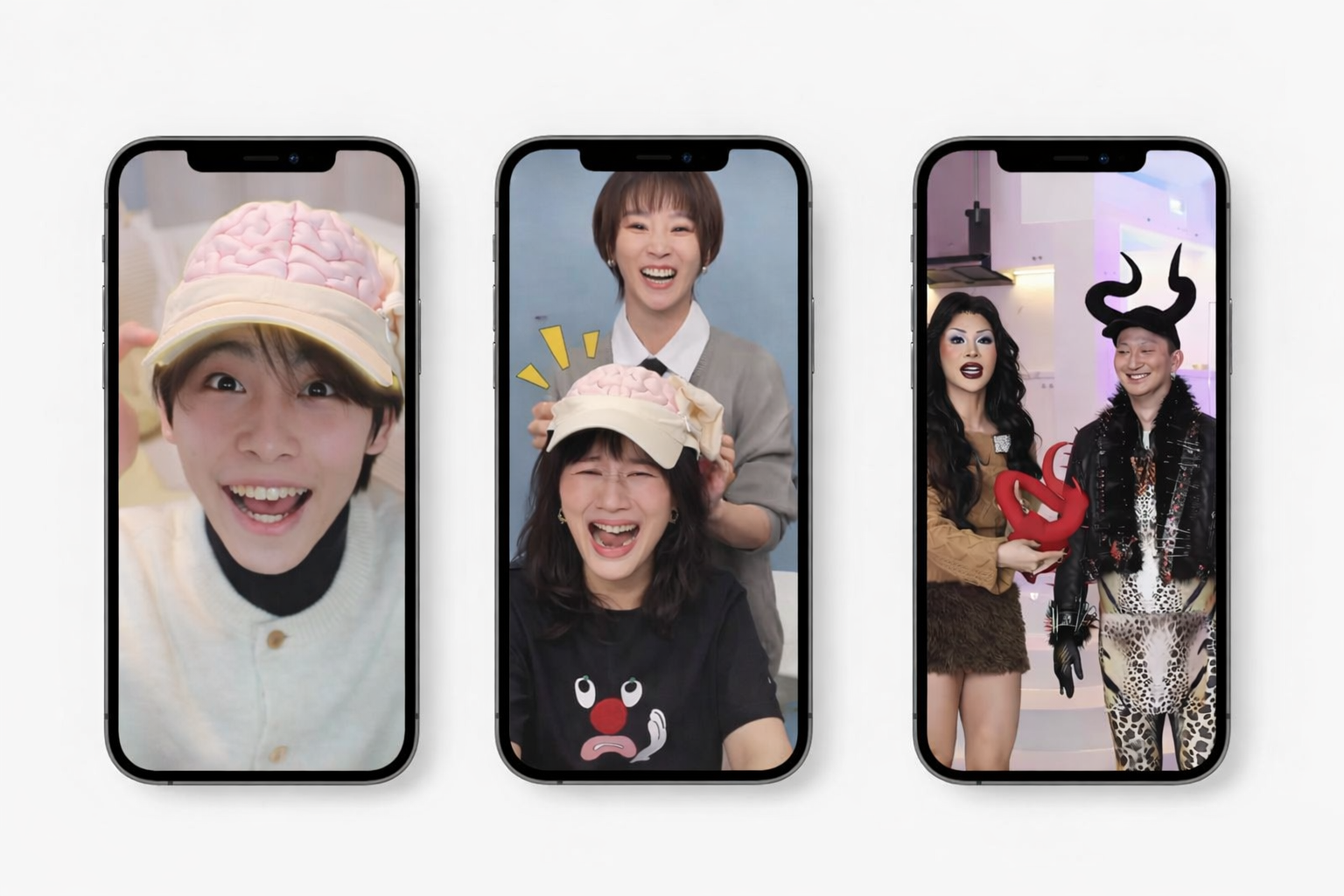
KOOKi's hats naturally supported that behavior. They were visually unusual, instantly legible on camera, and ideal for the type of "What is this?" moment that performs well in social content. By framing the product as a funny, unexpected, but still giftable object, the campaign turned eccentricity into an advantage rather than a niche limitation.
02
matching creator identity to gifting scenarios, audience psychology, and content behavior
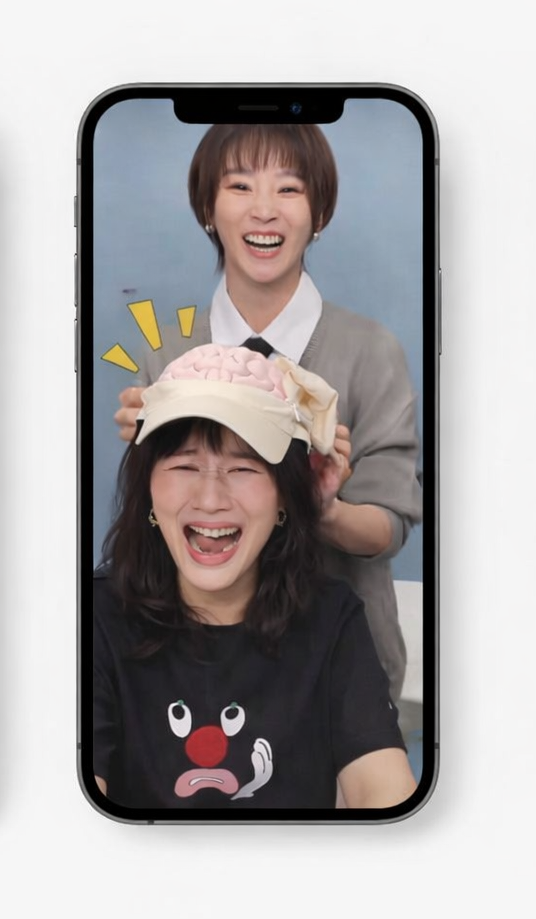
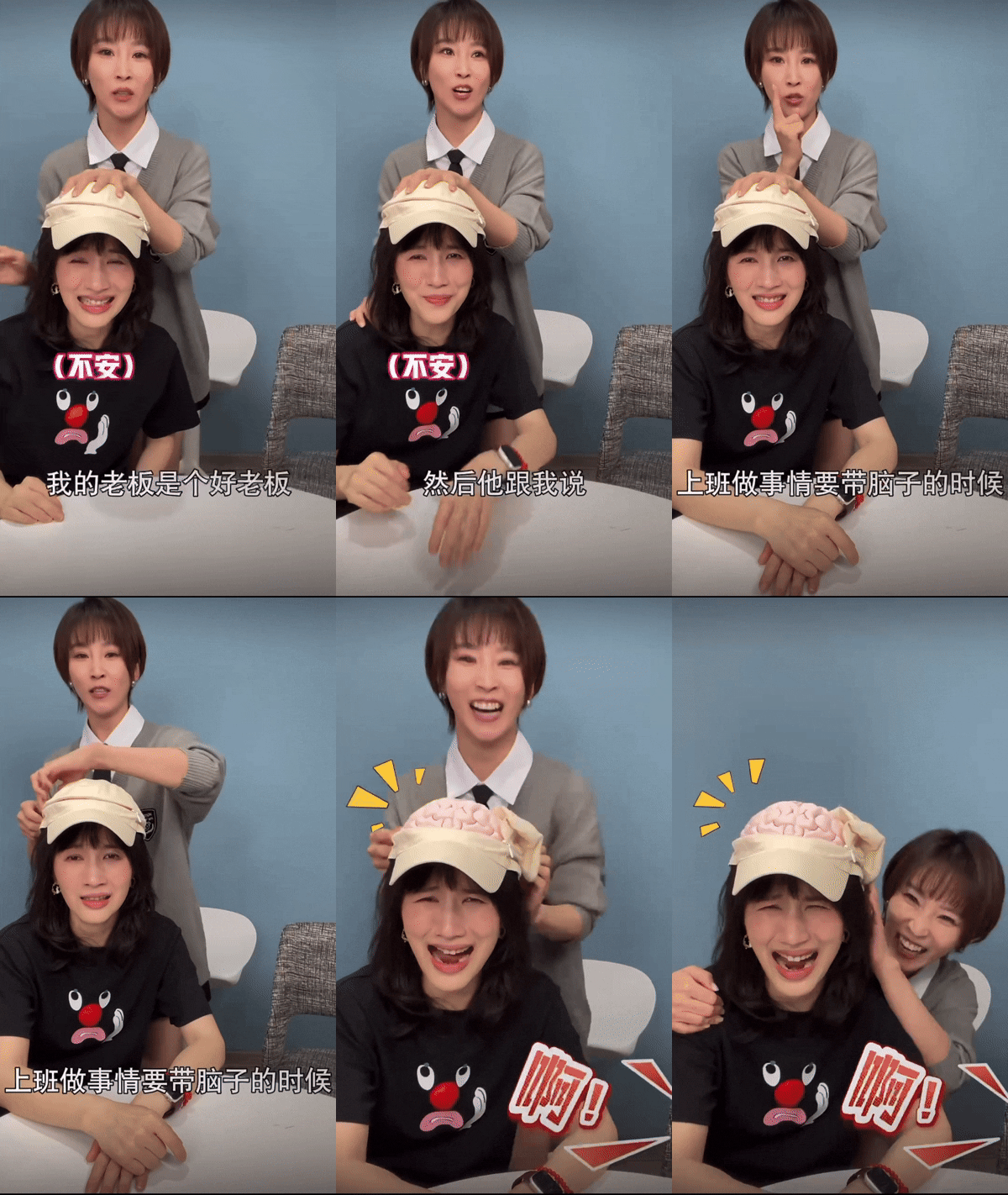
PAPI is one of China's most influential content creators, and we had previously exchanged contact information during fashion week. I used that connection carefully and professionally: instead of sending a generic commercial request, I approached her with a strong product story and a clear explanation of why KOOKi fit her audience's appetite for humor, taste, and high-recognition visual moments.
That kind of outreach matters. Effective creator communication is rarely just about budget; it is about making the collaboration feel editorially compatible and low-friction. After seeing the product, she agreed to feature it organically in video content without a paid placement fee, which gave the brand high-authority exposure with exceptional efficiency.
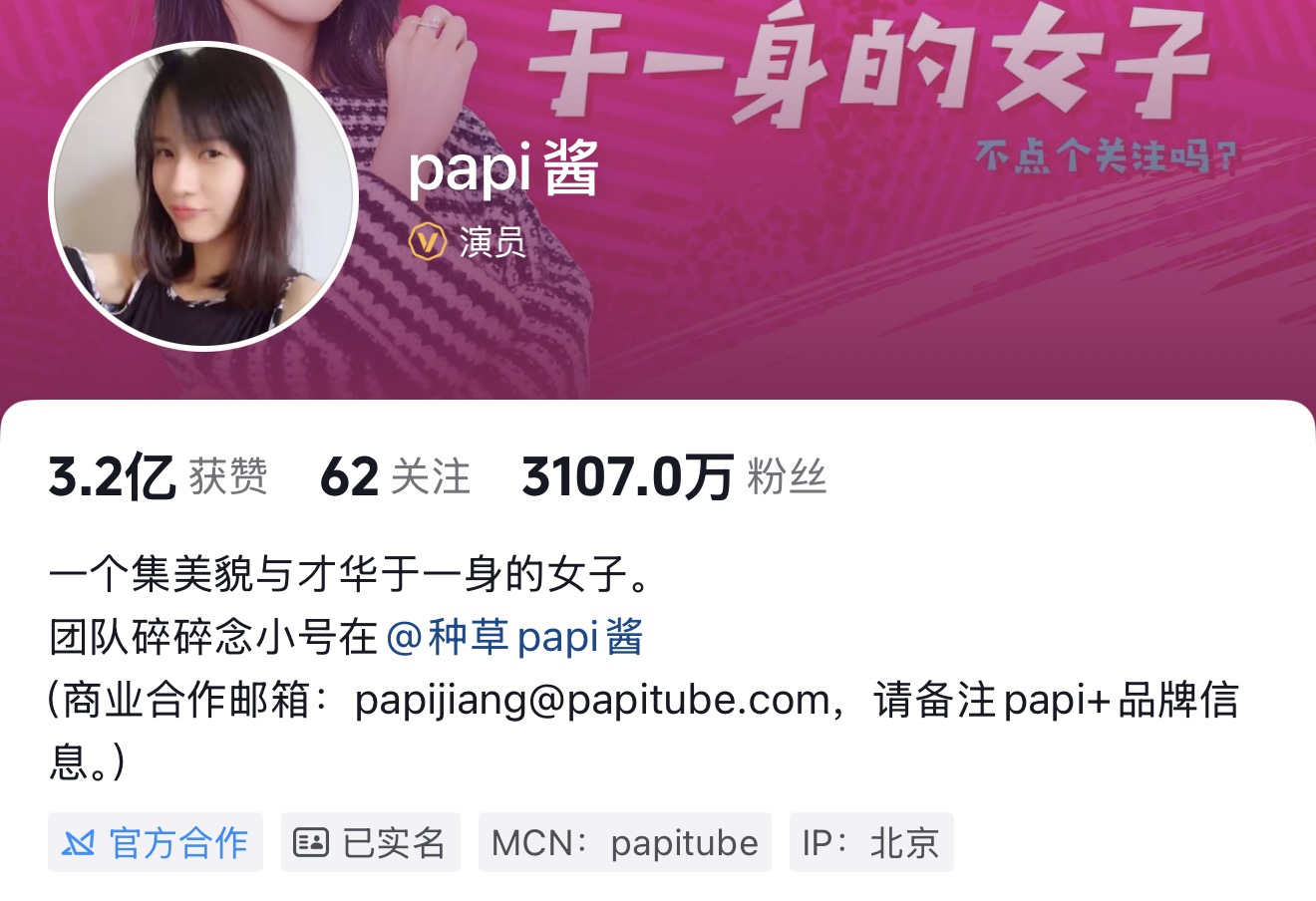
PAPI
Top-tier mass influencer
Followers: 31.07M
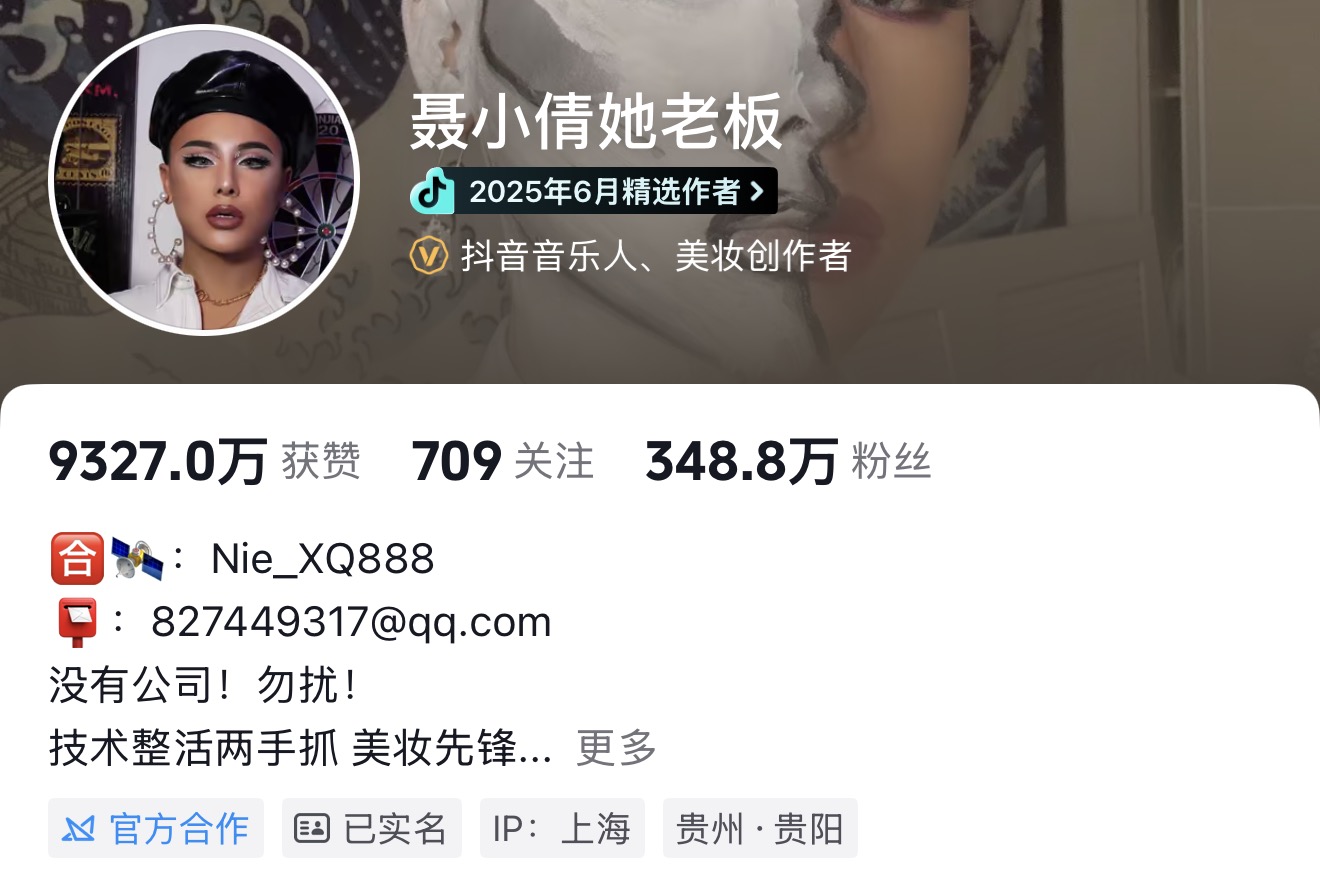
NIE
LGBTQ community creator
Followers: 3.488M
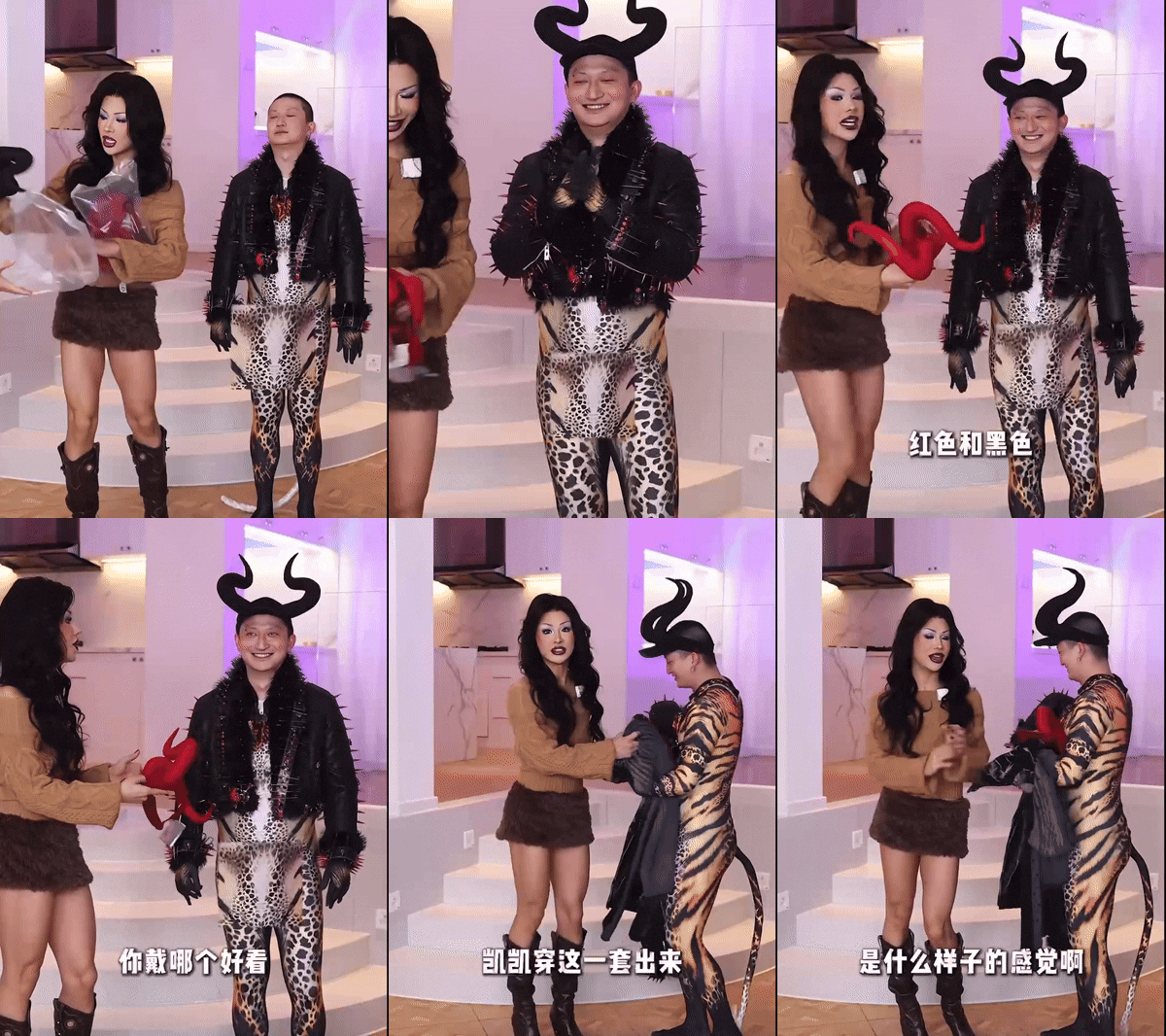
Our market observations suggested that LGBTQ consumers were disproportionately drawn to KOOKi's products. The likely reason was not a simplistic demographic label, but a style psychology fit: the products offered strong self-expression, visual playfulness, and a willingness to be seen, all of which align with communities that often use fashion as a tool for coded identity, taste signaling, and emotional visibility.
Partnering with NIE allowed the brand to show up in a context where the product already made intuitive sense. This was a precision-audience decision: rather than broadcasting novelty to everyone, I chose a creator whose community could read the product as expressive, wearable, and culturally resonant.
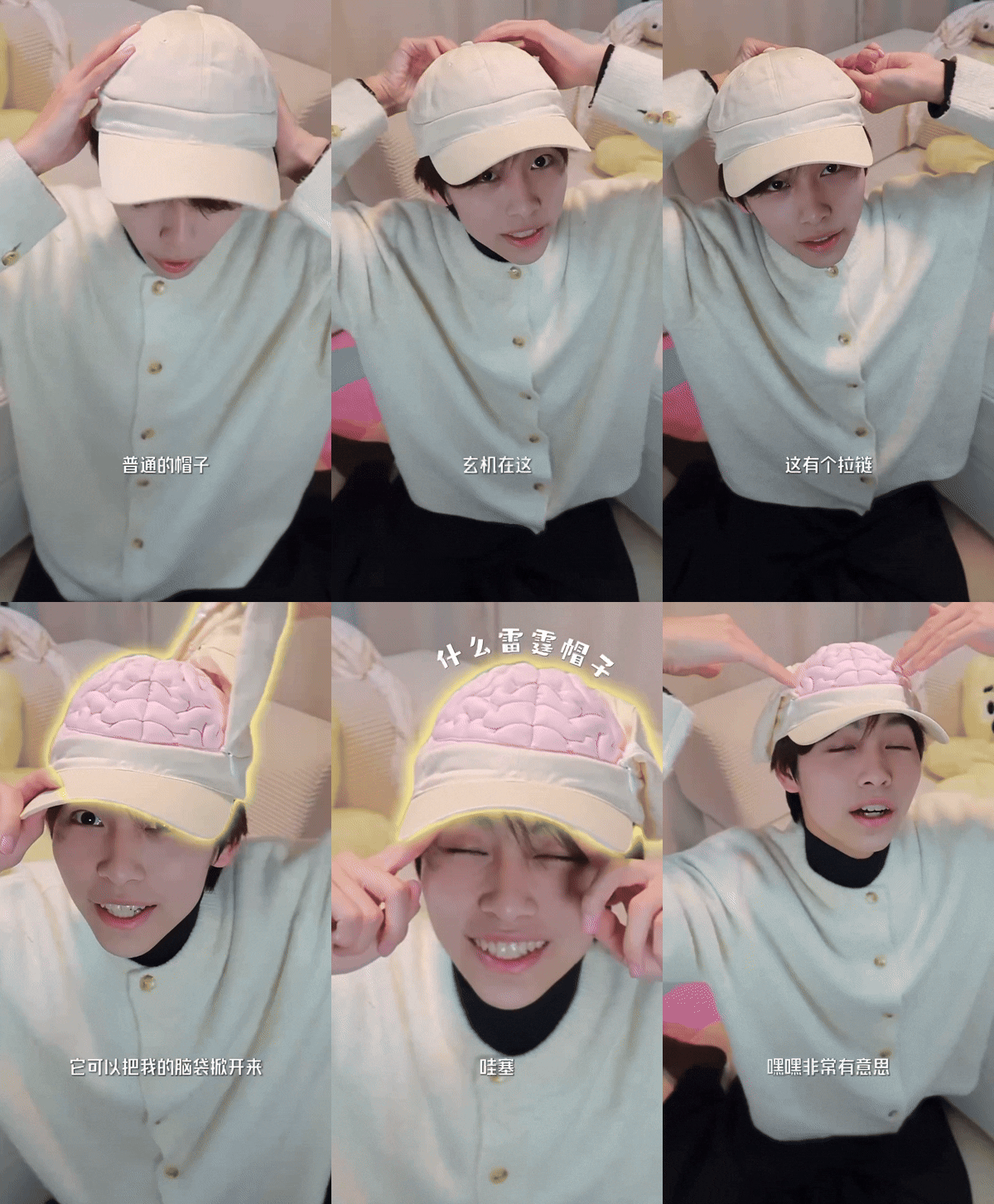
ZHUANG is a well-known couple creator, which made him a strategic entry point into the relationship-gifting market. KOOKi's hats were particularly suited to this space because they are creative, slightly absurd, and naturally capable of producing a visible reaction. That makes them ideal for gifts exchanged between partners who want to create amusement and affection at the same time.
There was also a distribution logic behind this choice. Couple content often performs through reenactment and imitation: viewers do not just watch the exchange, they imagine recreating it with their own partner. That gives the product strong downstream shareability and increases the chance that the original gifting moment becomes a template for additional user- generated content.
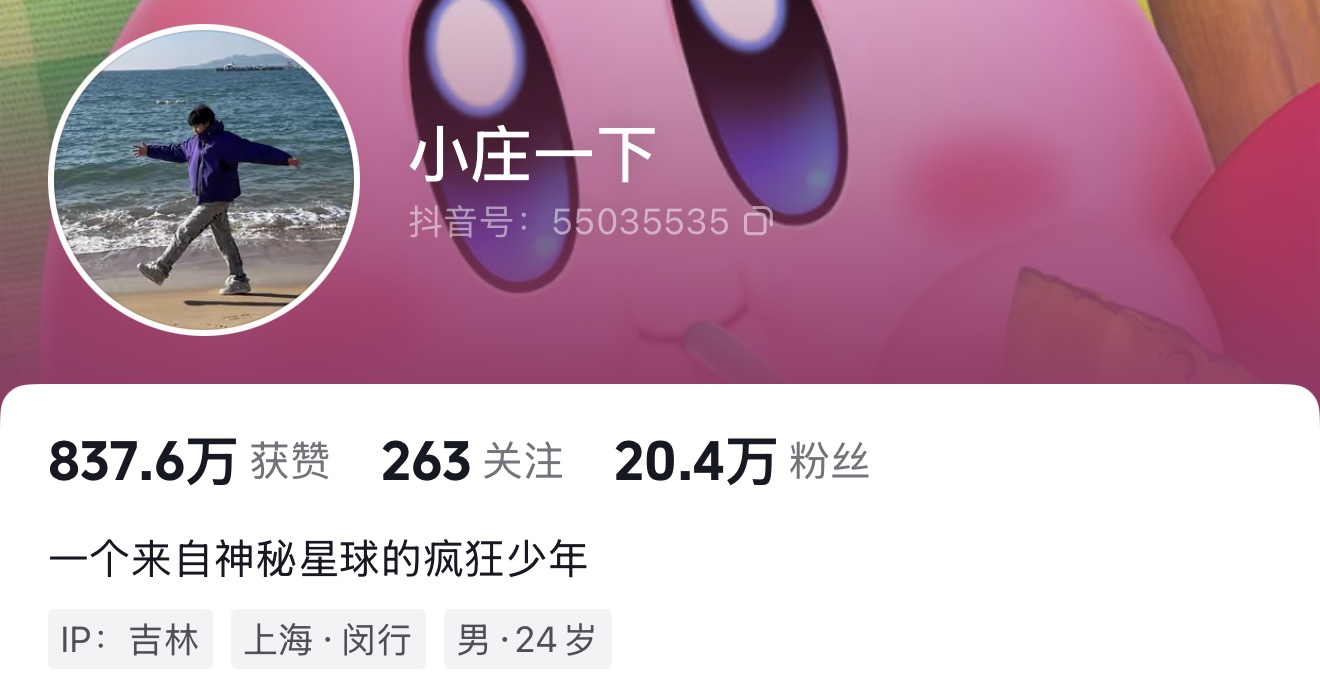
ZHUANG
Couple-content creator
Followers: 204K
Takeaway
This project shows how I approach marketing inside a startup environment: I combine creative platform development, creator negotiation, distribution efficiency, and product positioning rather than treating them as separate functions.
More importantly, it shows how I use cultural signals to shape campaign design. The success of "Gift Something Weird" came from understanding that the product was not competing as a conventional fashion item; it was competing as a socially useful surprise object within holiday gifting behavior.